As a seasoned sheet metal parts supplier, I’ve witnessed firsthand the intricate dance of challenges that comes with producing large – scale sheet metal parts. This manufacturing realm is far from straightforward, and understanding these hurdles is crucial for both suppliers like me and potential clients. Sheet Metal Parts

Material Selection and Procurement
One of the primary challenges begins at the very foundation: material selection. When dealing with large – scale sheet metal parts, the choice of material can make or break the project. There are numerous factors to consider. First and foremost is the mechanical properties required for the end – use of the part. For example, if the part will be exposed to high – stress environments, a material with high tensile strength and good ductility is essential. Steel alloys are often a go – to choice in such cases, but they come with their own set of challenges.
The procurement of large quantities of high – quality sheet metal can be a complex task. Ensuring a consistent supply of material with uniform properties is vital. Variations in material thickness, composition, or surface finish can lead to significant differences in the final product. I’ve encountered situations where a batch of steel sheets had slight variations in thickness, which resulted in issues during the fabrication process. Some parts ended up being stronger or weaker than expected, and the overall quality control was compromised.
Another aspect of material procurement is cost. Large – scale production demands large amounts of material, and fluctuations in material prices can have a huge impact on the project’s budget. The global market for metals is highly volatile, influenced by factors such as supply and demand, geopolitical issues, and trade policies. As a supplier, I need to constantly monitor these market trends and negotiate favorable contracts with material suppliers to maintain a competitive edge in the market.
Precision Manufacturing Requirements
Large – scale sheet metal parts often require a high level of precision. In industries such as aerospace, automotive, and heavy machinery, the tolerance levels for these parts can be extremely tight. Achieving such precision is no easy feat, especially when dealing with large dimensions.
Cutting is one of the initial steps in the manufacturing process, and it requires precision to ensure that the parts are cut to the exact specifications. Laser cutting is a popular method due to its high accuracy, but it also has limitations. For large parts, the laser cutting process can be time – consuming, and any deviation in the cutting path can lead to significant errors. Additionally, the heat generated during laser cutting can cause distortion in the sheet metal, especially in thinner materials.
Forming operations, such as bending and punching, also pose challenges in terms of precision. When bending large sheet metal parts, ensuring a consistent bend angle across the entire length of the part can be difficult. Factors like the material’s springback, which is the tendency of the metal to return to its original shape after bending, need to be carefully considered. This requires accurate pre – calculations and well – calibrated equipment.
Welding is another critical process in the production of large – scale sheet metal parts. However, it can be a source of significant challenges. Welding large parts requires proper jigging and fixturing to hold the parts in place during the welding process. Improper alignment can lead to weak welds, distortion, and structural integrity issues. Moreover, different welding techniques need to be carefully selected based on the material and the specific requirements of the part. For example, TIG welding may be preferred for its high – quality finish, but it is slower compared to MIG welding, which can be a disadvantage when dealing with large – scale production.
Equipment Limitations
The production of large – scale sheet metal parts often requires specialized equipment. However, not all equipment is created equal, and there are limitations that can impact the manufacturing process.
Size restrictions are a common issue. Some cutting, forming, and welding machines are only designed to handle parts of a certain size. If a part exceeds these size limits, it may require a more expensive or less common piece of equipment, or the part may need to be manufactured in multiple sections and then assembled. This not only increases the production time but also introduces additional potential sources of error during the assembly process.
The capacity of the equipment is also a concern. For example, a press brake used for bending sheet metal has a maximum tonnage capacity. If a large – scale part requires a bending force that exceeds the capacity of the available press brake, it can lead to improper bends or even damage to the equipment. Upgrading or replacing equipment to meet the size and capacity requirements can be a significant investment, which many small and medium – sized suppliers may find challenging.
Maintenance and reliability of the equipment are also crucial factors. Large – scale production means that the equipment is in continuous use, which increases the wear and tear. Regular maintenance is necessary to ensure that the equipment operates at its optimal level. However, maintaining complex equipment can be expensive and time – consuming. Moreover, unexpected breakdowns can cause significant disruptions to the production schedule, leading to delays in delivering the parts to the clients.
Quality Control
In large – scale production, maintaining consistent quality across all parts is of utmost importance. Quality control is a multi – step process that starts from the material inspection and continues throughout the manufacturing process and final product inspection.
Material inspection is the first line of defense in quality control. As mentioned earlier, variations in material properties can have a significant impact on the final product. Inspecting the incoming sheet metal for thickness, surface finish, and composition is essential. This often requires specialized testing equipment, such as ultrasonic thickness gauges and spectrometers. Failure to detect material defects at this stage can lead to costly rework or even scrap parts later in the production process.
During the manufacturing process, in – process inspections are necessary to ensure that each operation is being carried out correctly. This involves checking the dimensions, surface finish, and quality of the parts at various stages. For example, after cutting, the parts need to be inspected to ensure that the cut edges are smooth and free of burrs. In the case of welding, non – destructive testing methods such as X – ray or ultrasonic testing may be required to detect internal defects in the welds.
Final product inspection is the last step in ensuring that the large – scale sheet metal parts meet the client’s specifications. This involves a comprehensive inspection of all aspects of the part, including its dimensions, mechanical properties, and appearance. Any deviations from the specifications need to be addressed before the parts are shipped to the client. Managing quality control in large – scale production requires a well – established quality management system, trained personnel, and a commitment to excellence.
Logistics and Transportation
Once the large – scale sheet metal parts are produced, getting them to the client’s location is another significant challenge. These parts are often bulky and heavy, which makes transportation difficult.
Packaging is an important aspect of logistics. The parts need to be properly packaged to prevent damage during transportation. This may involve using custom – made crates, padding materials, and strapping to secure the parts. However, packaging large parts can be expensive and time – consuming.
Choosing the right transportation mode is also crucial. For local or regional deliveries, road transportation may be a convenient option. However, for large and heavy parts, special trucks with sufficient load – bearing capacity may be required. International shipments, on the other hand, may involve sea or air freight. Sea freight is generally more cost – effective for large – scale shipments, but it has a longer transit time. Air freight is faster but much more expensive.
In addition, the logistics process needs to be carefully planned to ensure that the parts are delivered on time. Delays in transportation can lead to production stoppages at the client’s end and can damage the relationship between the supplier and the client.
Conclusion
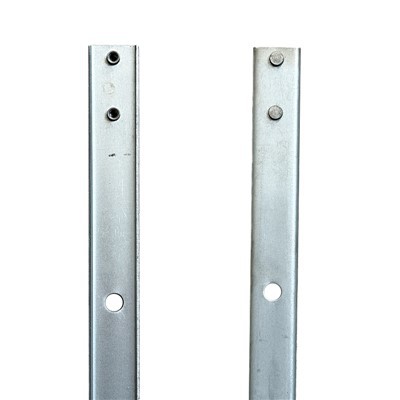
Producing large – scale sheet metal parts is a complex process fraught with challenges. From material selection and procurement to precision manufacturing, equipment limitations, quality control, and logistics, every step requires careful consideration and expertise. As a sheet metal parts supplier, I am constantly working to overcome these challenges to provide high – quality parts to my clients.
Sheet Metal Parts If you are in need of large – scale sheet metal parts, I understand the difficulties involved and am well – equipped to address them. I have the experience, expertise, and resources to ensure that your project is completed successfully, on time, and within budget. Whether you are in the aerospace, automotive, or any other industry, I am confident that I can meet your sheet metal part requirements. I invite you to reach out to me for a procurement discussion. Together, we can find the best solutions for your sheet metal part needs.
References
- ASM Handbook, Volume 14A: Metalworking: Bulk Forming – This handbook provides in – depth information on the forming processes of various metals, including those relevant to large – scale sheet metal production.
- AWS Welding Handbook – The American Welding Society’s handbook offers comprehensive knowledge on welding techniques, procedures, and quality control in the welding of metals, which is crucial for large – scale sheet metal part production.
- Machinery’s Handbook – A well – known reference for mechanical engineers and manufacturers, it contains information on machine tools, manufacturing processes, and material properties relevant to sheet metal manufacturing.
Hebei Kailu Hardware Manufacturing Co., Ltd.
We’re well-known as one of the leading sheet metal parts manufacturers and suppliers in China, also support customized service. Welcome to buy high quality sheet metal parts made in China here and get free sample from our factory. For price consultation, contact us.
Address: Yaojiubo Village, Nanpi Town, Nanpi County, Cangzhou City, Hebei Province
E-mail: 714184486@qq.com
WebSite: https://www.weldedpart.com/
