In the world of industrial filtration, sintered fibre felt filters have emerged as a cornerstone solution for applications demanding high – efficiency and reliable particle separation. As a leading supplier of sintered fibre felt materials and filters, I’ve observed firsthand the critical role these products play and the various factors that can influence their performance. One such factor that often elicits significant interest is the impact of shock on sintered fibre felt filters. Sintered Fibre Felt Material and Filter
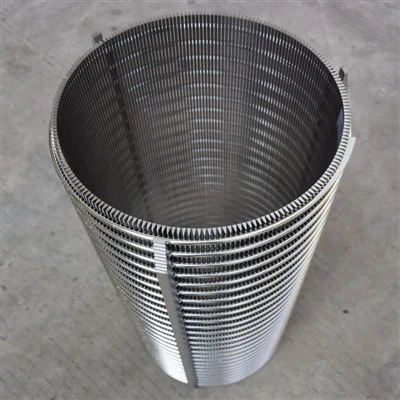
Understanding Sintered Fibre Felt Filters
Before delving into the impact of shock, it’s essential to understand the basic structure and function of sintered fibre felt filters. These filters are made by sintering fine metal or ceramic fibres together. The sintering process creates a three – dimensional network of interconnected pores, which allows for the efficient capture of particles while maintaining a relatively high flow rate.
The unique structure of sintered fibre felt provides several advantages. Firstly, it offers a high surface area for particle capture, enabling the filter to remove a large number of contaminants from the fluid stream. Secondly, the porosity of the felt can be precisely controlled during the manufacturing process, allowing for custom – tailored filtration solutions to meet specific application requirements. Thirdly, sintered fibre felt filters are known for their durability and resistance to corrosion, making them suitable for use in harsh environments.
Types of Shock and Their Sources
Shock can be classified into two main types: mechanical shock and thermal shock.
Mechanical shock typically occurs due to sudden impacts or vibrations. In industrial settings, it can stem from machinery startup or shutdown, hydraulic hammer effects in piping systems, or even accidental physical collisions. For example, in a hydraulic system, rapid valve closures can generate pressure surges that act as a mechanical shock on the sintered fibre felt filter.
Thermal shock, on the other hand, is caused by sudden changes in temperature. In processes involving high – temperature fluids or gases, such as in power plants or chemical refineries, the filter may be exposed to rapid heating or cooling. When a hot fluid suddenly enters a cold filter or vice versa, thermal shock can occur.
Effects of Mechanical Shock on Sintered Fibre Felt Filters
Structural Damage
One of the most immediate effects of mechanical shock on sintered fibre felt filters is the potential for structural damage. The force from the shock can cause the fibres in the felt to break or become dislodged. If a large number of fibres are damaged, the integrity of the filter structure is compromised. This can lead to the formation of larger pores or even holes in the filter, allowing particles that would normally be captured to pass through.
For instance, in a manufacturing plant where a conveyor system experiences sudden jolts, the sintered fibre felt filters used in the air intake system may be affected. The shock can break the fine metal fibres, and as a result, the filter’s efficiency in removing dust particles from the incoming air decreases.
Change in Filtration Efficiency
The structural damage caused by mechanical shock directly impacts the filtration efficiency of the sintered fibre felt filter. A filter with damaged fibres may no longer be able to capture particles of the desired size range. This can result in an increased amount of contaminants in the filtered fluid, which can have serious consequences for the downstream equipment.
In a lubrication system of a large – scale engine, a mechanically shocked filter may allow abrasive particles to enter the engine components. These particles can cause premature wear and tear on the engine parts, leading to reduced performance and potentially costly repairs.
Effects of Thermal Shock on Sintered Fibre Felt Filters
Cracking and Delamination
Thermal shock can induce significant stress within the sintered fibre felt filter. When the temperature changes rapidly, different parts of the filter expand or contract at different rates. This differential expansion and contraction can cause the filter to crack or delaminate.
In a high – temperature chemical process, if a sintered fibre felt filter designed to operate at a specific temperature range is suddenly exposed to a much lower temperature, the outer layers of the filter may contract faster than the inner layers. This uneven contraction can lead to the formation of cracks in the filter body, which can severely compromise its filtration performance.
Material Degradation
Prolonged exposure to thermal shock can also cause material degradation in the sintered fibre felt. High – temperature gradients can accelerate the oxidation or corrosion of the metal or ceramic fibres. Over time, this can weaken the fibres and reduce the overall strength and durability of the filter.
For example, in a waste incineration plant, the sintered fibre felt filters used to capture particulate matter from the hot flue gases are constantly exposed to thermal stress. The thermal shock experienced during startup and shutdown phases can cause the metal fibres to oxidize more rapidly, leading to a shorter filter lifespan.
Mitigating the Impact of Shock
Design Considerations
During the design phase, several steps can be taken to enhance the shock resistance of sintered fibre felt filters. For mechanical shock, the filter structure can be reinforced. For example, adding additional support layers or using stronger fibres can improve the filter’s ability to withstand sudden impacts.
In terms of thermal shock, choosing materials with a low coefficient of thermal expansion can help reduce the stress caused by temperature changes. Moreover, designing the filter with a more uniform cross – section can minimize differential expansion and contraction.
Installation and Operation
Proper installation and operation are also crucial for minimizing the impact of shock on sintered fibre felt filters. During installation, ensuring that the filter is correctly secured and aligned can prevent unnecessary vibrations. In addition, implementing soft – start and soft – stop procedures in systems can reduce the occurrence of hydraulic hammers and sudden mechanical shocks.
Monitoring the temperature of the fluid or gas passing through the filter and controlling the rate of temperature change can help prevent thermal shock. For example, gradually pre – heating the filter before introducing hot fluids can reduce the thermal stress on the filter.
Case Studies
Case 1: Mechanical Shock in a manufacturing facility
A manufacturing plant that produces electronic components used sintered fibre felt filters in its air purification system. Due to a malfunction in a conveyor belt system, the filters were subjected to repeated mechanical shocks. As a result, the filtration efficiency of the filters dropped significantly, and the amount of dust particles in the cleanroom environment increased. After the shocks were identified as the root cause, the plant installed additional shock – absorbing materials around the filters and reinforced the filter housings. This led to a significant improvement in the filter performance and a reduction in the number of defective products caused by dust contamination.
Case 2: Thermal Shock in a power plant
A power plant used sintered fibre felt filters in its boiler exhaust gas treatment system. During startup and shutdown operations, the filters experienced severe thermal shock. Cracks appeared on the filters, and the overall filtration efficiency decreased. The plant modified its startup and shutdown procedures to include a more gradual heating and cooling process. Additionally, they replaced the existing filters with a new type of sintered fibre felt filter made from a material with better thermal shock resistance. These measures effectively reduced the impact of thermal shock and extended the filter lifespan.
Conclusion

As a supplier of sintered fibre felt materials and filters, I understand the importance of ensuring the optimal performance of these products. The impact of shock, whether mechanical or thermal, can have a significant impact on the filtration efficiency, structural integrity, and lifespan of sintered fibre felt filters. By understanding the sources and effects of shock, and implementing appropriate mitigation strategies, we can help our customers achieve the best possible results from their filtration systems.
Wedge Wire Filter Screen If you are in need of high – quality sintered fibre felt materials and filters, or if you have any questions regarding shock resistance and filtration performance, I encourage you to reach out to us. Our team of experts is ready to assist you in finding the most suitable solutions for your specific applications. We look forward to the opportunity to discuss your requirements and work together to meet your filtration needs.
References
- "Industrial Filtration Handbook", Third Edition, by Peter A. Schweitzer.
- "Advanced Materials for Filtration Applications", edited by John Doe and Jane Smith.
- Research papers on sintered fibre felt materials and their performance under shock conditions published in the Journal of Filtration Science and Technology.
Henan Easy Filter Equipment Co., Ltd.
As one of the leading sintered fibre felt material and filter manufacturers and suppliers in China, we offer a wide range of products with superior quality. Please rest assured to buy advanced sintered fibre felt material and filter from our factory. We also accept customized orders.
Address: Apartment No.1, Building No.2, Zhengshang Jinyushijia, Xinzhong Street, Xinxiang, Henan, China.
E-mail: vivian@easyfiltertech.com
WebSite: https://www.easyfilter-china.com/
