Hey everyone, Disposable Bipolar Forceps
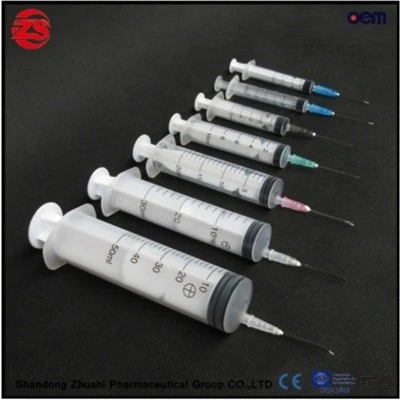
I’m gonna cut to the chase – if you work in neuro, general, or even plastic surgery, you’ve definitely used disposable bipolar forceps. For those who don’t know, I’m one of the folks who actually makes these things (yep, the disposable kind, not the reusable ones that need 10 autoclave cycles and a whole checklist just to grab from the supply closet). Over the years I’ve talked to so many surgeons, OR nurses, and even scrub techs who’ve had that panic moment – the second you drop a forcep tip, or it snags on tissue mid-procedure, or worse, you realize you burned through a patient’s delicate vasculature because the forcep wasn’t set up right.
Let’s be real: disposable bipolar forceps are supposed to make your life easier, not add another thing to stress about. But here’s the hard truth I’ve seen from talking to OR teams across the US and EU – most people aren’t using them correctly, and that’s leading to way more damage than it needs to be. I’ve had a surgeon tell me last month he ruined a 2mm cerebral vessel during a clipping because he didn’t check the insulation on his forceps before starting. A scrub tech told me she tosses half the unopened forceps in a pack because she’s scared they’ll stick together when she pulls them out. Today I wanna break down exactly how to handle these things right, from unboxing to post-procedure cleanup, no fancy medical jargon, just stuff that actually works when you’re in the middle of a 8-hour case.
First up: unboxing. I know, I know – OR packs have a million plastic wrappers and these little paper trays that take forever to tear open. But here’s the thing: when you yank a disposable bipolar forceps out of the pack too fast, you run two huge risks. One, you can bend the tip of the forceps – they’re tiny, super thin, and disposable (duh) so they’re not made of surgical steel that can take a beating. Bend that tip even 1 degree, and when you go to grab tissue, you’re either squeezing way too hard, or you’ll slip right off, which can tear delicate tissue fast. Two, if you yank too hard, you can nick the outer insulation. Insulation is everything with bipolar forceps – that’s what keeps the current from jumping to the wrong place and burning something you didn’t mean to. Most people don’t even look at the insulation until after they mess up, which is backwards.
My pro tip here: take an extra 10 seconds when you open the pack. Gently peel back the wrapper from the side of the forceps, don’t just yank the whole thing open. Hold the handle, not the tip, when you pull it out – the handle’s thicker, way harder to bend. Once it’s out, do a quick visual check: run your finger lightly along the insulation (it’s that clear plastic coating on the arms) – if you feel any nicks, bubbles, or spots where it looks peeling, toss it. Even a tiny nick can let current leak, and that’s how you burn tissue. I tell every team I work with: if it looks sketchy, bin it. No exceptions. You’d rather grab a new forceps mid-procedure than deal with a surgical fire or a nerve burn that’ll mess up your patient for life.
Next: setting up the bipolar cord. This is the part that trips up so many scrub techs and residents. Let’s get one thing straight: disposable bipolar forceps aren’t meant to be twisted, stretched, or crammed into a cord. I’ve seen people yank the cord connection off the forceps because they were in a hurry to plug it in. The connection point is made of plastic, not metal, and it’s only there to click into the cord – don’t force it. When you attach the cord, line up the two little notches on the forceps plug with the slots on the cord, push it straight until you hear that tiny click, and then give it a gentle tug to make sure it’s secure. If it wiggles at all, pull it off and try again – that loose connection is how the current fluctuates, which is how you get uneven power that can snap tissue.
Another big one: the power setting. I know every surgeon has their go-to setting, but here’s a mistake I see all the time – people crank the power up because they think it’ll work faster, especially with disposable forceps. Newsflash: disposable forceps have thinner wiring and smaller electrodes than reusable ones, so they need lower power. Cranking it too high means the current jumps over the insulation, or burns through tissue instead of sealing it. For small vessels (under 2mm, like cerebral or facial), keep it between 10 and 20 watts. For larger tissue (like fatty tissue in general surgery), maybe bump it up to 30 max. And always test the power on a sterile gauze before touching patient tissue. If the gauze just discolors a little, that’s good – if it burns a hole through, turn it down. Simple as that.
Then there’s handling them during the procedure. Let’s talk about grip first. I see so many new surgeons grip the forceps like a pair of pliers, squeezing as hard as they can. No. Disposable bipolar forceps have delicate tips – squeezing too hard bends them, it also makes the current too concentrated, and it can crush tissue instead of sealing it. The right grip is a relaxed pinch, like you’re holding a pen to write. Your index and thumb on the handle, your middle finger resting on the back for stability. That way you have control without squeezing. Also, don’t set them down on the sterile field unless you have a forcep stand. If you lay them flat, the tip can roll onto the table, get contaminated, or bend if something heavy is set on them. And never, ever use them as a retractor. I’ve had a plastic surgeon tell me he used them to pull aside skin during a mohs surgery, and he nicked the tip so bad it wouldn’t seal vessels after that. Only use disposable bipolar forceps for coagulation and grasping thin tissue – that’s what they’re made for.
What about cleaning them post-procedure? Wait, disposable forceps are disposable, but if you’re reusing them (I don’t recommend it, but I know some places do to cut costs) – here’s how to handle that without damaging them. First, don’t toss them in the regular surgical waste right away if you’re reprocessing. Rinse them in cold sterile water immediately – hot water can set blood or tissue on the insulation, making it hard to see nicks later. Then, when you’re cleaning the arms, use a soft brush, not a scrub brush with stiff bristles. Stiff bristles can scratch the insulation, which as we said before is a big no-no. And never put them in an autoclave – most disposable forceps aren’t rated for high heat, that’ll melt the insulation and warp the metal tips, making them useless (and dangerous) after one cycle. If you must reprocess, follow the manufacturer’s guidelines to the letter – even if that means only using them twice. But honestly, it’s almost always cheaper and safer to just grab a new pack.
Wait, let’s talk about the most common issue I hear about: stuck forceps. You’re grabbing a vessel, and the arms won’t open back up after you squeeze. That’s usually because there’s a little bit of tissue caught between the tips, or the insulation has a tiny nick that’s making them stick. Don’t yank them apart. That’s how you bend the tip, or snap the arm right at the connection point. If they’re stuck, use a sterile, blunt probe to gently pry the tips apart, or run a tiny bit of sterile saline between them to loosen any tissue. Once they’re apart, inspect the tips and insulation again – if they look damaged, toss ’em. If they’re fine, keep going.
Now, I know some people reading this might be thinking “come on, it’s disposable, who cares if I break one?” But here’s the thing: even disposable forceps aren’t cheap, and damaging them mid-procedure isn’t just a hassle. It’s a patient risk. I’ve seen cases where a nick from a misused forcep led to a post-op bleed, or a nerve burn that left a patient with permanent numbness. That’s why I made it my mission as a supplier to not just sell forceps, but to help teams use them right. We do free, no-briefing webinars for OR staff all over – we walk through how to check insulation, set power, handle them during procedures, the whole thing.
At the end of the day, disposable bipolar forceps are supposed to simplify surgery, not add another layer of stress. Following these simple steps – taking 10 seconds to check when unboxing, being gentle with connections and tips, keeping power settings reasonable – can cut down on damage way more than most people realize. If you’re a scrub tech tired of tossing half your pack mid-case, a surgeon tired of forceps failing when you need them most, or someone who just wants to make their OR run smoother, reach out to us to chat more. We can answer any questions, send over free sample packs to test (no strings attached), and even schedule a quick training for your team if you need it. No pressure, just a group of folks who care about your work and your patients.
Before I wrap this up, a quick note: I’ve talked to dozens of clinicians over the years, and most of the bad experiences with disposable bipolar forceps come from small, avoidable mistakes, not the forceps themselves. They’re built to be reliable when used right – you just have to treat them like the precise tools they are, not a throwaway item. Take the extra 30 seconds to check before you start, be gentle when handling, and you’ll cut down on damage, save money on replacements, and make your cases go way smoother.

Thanks for reading. If you have tips of your own, or questions, don’t hesitate to reach out. We’re here to help make your job easier.
Disposable Sterile Infusion Set References:
- American Association of Neurological Surgeons. Best Practices for Surgical Instrument Handling and Care. 2022.
- Surgical Care Improvement Project. Preventing Intraoperative Tissue Injury from Electrosurgical Devices. 2021.
- Association of PeriOperative Registered Nurses. Guidelines for Safe Use of Disposable Surgical Instruments. 2023.
- Journal of Surgical Instruments. Disposable Bipolar Forceps: Performance Metrics and Clinical Best Practices. 2022.
Shandong Zhushi Pharmaceutical Group Co., Ltd.
Shandong Zhushi Pharmaceutical Group Co., Ltd. is one of the most reliable disposable bipolar forceps manufacturers and suppliers in China, featured by quality products and good price. Welcome to wholesale CE approved disposable bipolar forceps made in China here from our factory. Contact us for customized service and pricelist.
Address: No 6th food and drug industry park economic and technological development zone, shan county 274300 Heze, Shandong PEOPLE’S REPUBLIC OF CHINA
E-mail: admin@cnzhushigroup.cn
WebSite: https://www.zhushimed.com/
