Hey guys, let’s cut to the chase today—if you’re up in a super snowy spot, like parts of the Rockies, northern Canada, or even those crazy cold towns in Finland, you’ve probably wondered: can a metal structure house actually handle all that snow? I get it, I’m in the metal structure house business, and we deal with this question at LEAST once a week. Let’s break this down like I’m chatting with a buddy, no stuffy engineering jargon that makes your eyes glaze over. Metal Structure House

First off, let’s get one thing straight—metal isn’t that flimsy tin you remember from those old garden sheds that crumpled in a small snowstorm. Modern metal structure houses are built with intentional, code-compliant engineering, especially for snow-heavy zones. Here’s the big secret: it all boils down to load calculations. Every region has a “snow load rating,” which is basically how much weight per square foot the roof has to hold. Places that get 10+ feet of wet, heavy snow every winter need a way higher rating than, say, Florida where snow’s basically unheard of. We don’t just slap any old steel beams together and call it a day—we run numbers specific to your location. For example, if you’re in a part of Maine where the annual snow load hits 70 psf (pounds per square foot), we size every beam, every truss, every connection to match that exact number. No cutting corners here.
Wait, let’s talk about why metal actually works great for snow-heavy areas, not just “works.” Metal is super strong for its weight. Compare that to wood frame houses, which can warp, sag, or even crack if there’s too much concentrated snow, especially if the snow melts and refreezes (that freeze-thaw cycle is a killer). Steel? It doesn’t warp. It doesn’t absorb water like wood does, which means you don’t get that extra hidden weight from soaked lumber. And metal’s flexible enough to handle a little shifting from snow settling or wind blowing, but rigid enough not to collapse. I’ve seen a ton of wood-frame cabins up in Montana that had to be repaired after a bad winter—they couldn’t handle that wet snow’s weight. Meanwhile, our metal structure houses up in northern Minnesota have stood through blizzards that dropped 3 feet of snow in 24 hours, no issues.
But here’s where a lot of people mess up: assuming all metal houses are the same. That’s so not true. There are a few key design choices we make specifically for snowy spots that make all the difference. First, roof pitch. If you have a flat or low-pitch roof, snow piles up, right? We usually go with a steeper pitch—like 12/12 or even 15/12—for heavy snow areas. That angle makes snow slide off way easier, so it doesn’t pile up in big, heavy drifts. Wait, but what if you want a more modern, low-slope roof? No problem, we add extra trusses spaced closer together to distribute that snow weight evenly, and we even put in snow retention systems if needed—little metal clips or brackets that keep snow from sliding all at once and damaging gutters or landscaping.
Another big thing: roof materials. We don’t use the thin corrugated metal you see on old barns up north. We go with thicker, galvanized steel panels that can handle abrasion from ice, and we add a good underlayment too. That underlayment isn’t just for leaks—it also adds extra structural support. We also make sure all the connections—where the roof meets the walls, where the trusses bolt down—are heavy duty, not those flimsy bolts you get on a cheap shed. Those connections are the most likely places to fail if snow gets heavy, so we use marine-grade bolts and reinforced brackets, no exceptions.
Let’s address the elephant in the room: corrosion. Snow isn’t just water—it’s got road salt, grime, all kinds of stuff that can eat away at metal over time. Wait, but modern galvanization? We coat every steel part with a zinc layer that acts like a shield. And if you’re in an area with extra harsh salt (like near a coastal snowy area, or where they dump tons of road salt in winter), we can upgrade to a powder-coat finish that’s even more corrosion resistant. We’ve got customers in upstate New York that dump buckets of road salt on their driveways every winter, and their metal houses look like they were just built 10 years ago, no rust spots anywhere. That’s a huge win over wood, which can rot from salt and moisture.
Wait, but what about insulation? A lot of people think metal houses are cold. No, not anymore. We use spray foam insulation that’s way more effective than fiberglass, especially for tight, energy-efficient builds. For snowy areas, we insulate the walls, roof, and even the floor so you’re not losing heat to the cold ground. I’ve had a customer in Alaska text me last winter saying their metal house was 10 degrees warmer than their old wood cabin, and their heating bill was half. That’s a big deal when you’re paying to heat a house through -20°F winters.
But here’s the thing—building a metal house for a snow-heavy area isn’t “set it and forget it.” There’s a little bit of maintenance, same as any house. You should clear heavy drifts off the roof after a big storm, obviously—even the strongest roof has a limit, and if a huge drift piles up on one side, that’s concentrated weight you have to deal with. But with metal, you don’t have to worry about things like sagging roof rafters or rotting eaves like you do with wood. We also give our customers a maintenance checklist that’s super simple: just check the connections once a year, make sure the gutters are clear so water doesn’t freeze on the edges, and touch up any paint if there’s a scratch from a falling branch or something. That’s way less work than maintaining a wood house up north, trust me.
Let me share a quick story—last year, we did a build for a guy in the Yukon. He wanted a metal house because all the local builders told him a wood frame would probably collapse in the 12+ foot snow loads they get there. He was skeptical at first, thought metal would be too noisy when snow hits the roof. So we used thicker roof panels and added a layer of acoustic insulation between the structure and the interior panels. Now he texts us all winter saying he barely hears the snow falling, and his house is way more stable than his buddy’s wood cabin that had to have a new roof after a 2021 blizzard. That’s the kind of result we’re going for.
Wait, are there any myths I need to bust? Let’s see—some people think metal houses attract lightning. Yeah, technically metal conducts electricity, but that’s why we install proper lightning protection systems, same as any other house. We run grounding rods into the ground, and connect them to the metal structure so any lightning strike goes safely to the earth, not through your wiring. No more risk than a wood house, I promise. Another myth: metal is more expensive upfront. Maybe a little, but when you compare the lower maintenance costs, longer lifespan (metal houses can last 50+ years if you take care of them, way longer than wood), and lower heating bills, it ends up being way more cost-effective in the long run.
Here’s the bottom line: if you’re in a snow-heavy area, a metal structure house isn’t just possible—it’s often the better choice. It’s stronger, more durable, less maintenance, energy efficient, and built exactly to handle the snow loads you get. But only if you work with a supplier that knows what they’re doing—no cutting corners, no generic designs, just engineering tailored to your specific location.
If you’re thinking about building a metal structure house in a snowy area, hit us up to chat through the details. We can go over your local snow load, talk about design options, even send you specs for similar builds we’ve done in your area. No pressure, just answering questions and making sure you get a house that’s built to last through whatever winter throws at it. Don’t let those old ideas about metal houses stop you—they’re way different than they used to be, and perfect for cold, snowy spots.
Wait, I should add a quick note about code, right? All our builds meet or exceed local building codes for snow loads, so you don’t have to worry about permits or inspections failing. We handle all the engineering paperwork, so you don’t have to stress about that part.
Oh, and one more thing—snow on metal roofs is way easier to shovel, too. I’ve seen people just grab a roof rake and slide heavy drifts right off, no struggling with rotting wood or uneven roof surfaces. That’s a small thing, but it makes winter way less of a chore.
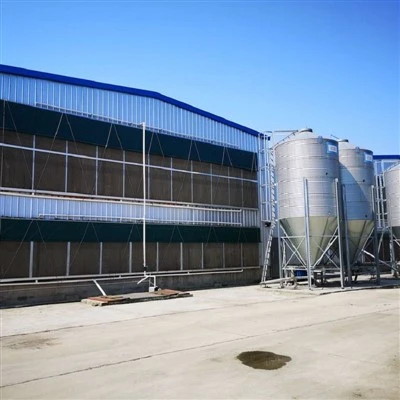
At the end of the day, I’ve been in this business for over a decade, and I’ve seen metal houses hold up through some crazy weather. Snow-heavy areas? That’s our sweet spot. If you’ve got questions, want to look at past builds, or just start planning your own, reach out to us. We’re here to help you build a house that’s comfortable, safe, and built for your climate.
Egg Grading Machine and Supporting Equipment References:
- American Iron and Steel Institute. (2022). Steel Structure Design for Snow Loads in Cold Climate Regions.
- International Code Council. (2021). International Building Code: Snow Load Requirements for Structural Design.
- National Research Council Canada. (2020). Durability of Galvanized Steel in Cold and Salt-Exposed Environments.
- U.S. Department of Energy. (2021). Energy Efficiency of Metal Frame Residential Buildings in Northern Climates.
- Metal Building Manufacturers Association. (2022). Best Practices for Metal Roof Design in Heavy Snow Zones.
Guangzhou Guangxing Poultry Equipment Group Co., Ltd.
Guangzhou Guangxing Poultry Equipment Group Co., Ltd. is one of the most professional metal structure house manufacturers and suppliers in China, featured by quality products and good price. Welcome to buy CE approved metal structure house made in China here and get pricelist from our factory. Customized orders are welcome.
Address: NO.2 Guangxing Road,Shating Taihe Town,Baiyun Guangzhou,China
E-mail: gxservice@cnguangxing.com
WebSite: https://www.guangxingcn.com/
